
Wi-Fi 8 and Wi-Fi 7 Compared: Reliability, Speed, and Upgrade Timing
Wi-Fi 8 prioritizes stable, low-latency connections rather than higher theoretical speeds. Wi-Fi 7 remains the available upgrade for most households, while Wi-Fi 8 is still in development and is expected to be finalized around 2028.
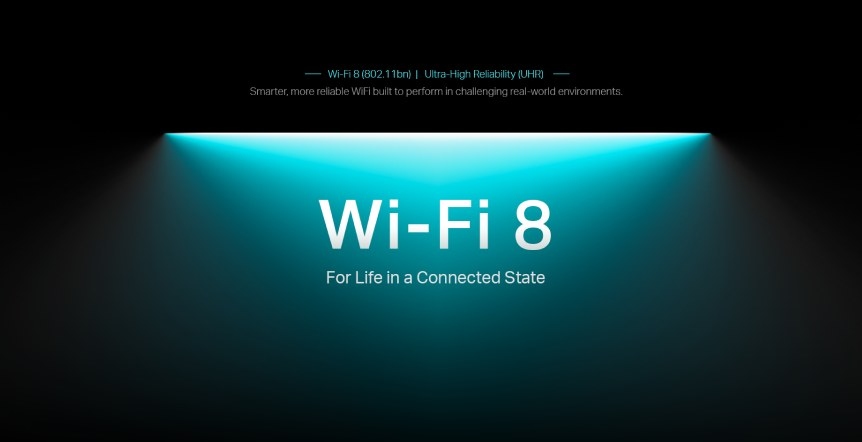
Wi-Fi 8 changes the emphasis of wireless networking from peak speed to Ultra-High Reliability (UHR). Its goal is steadier connections, lower latency, and more predictable performance across devices, including in crowded or difficult environments. Wi-Fi 7, meanwhile, remains the highest-tier standard currently available, with a focus on speed and throughput.
For most households looking to upgrade now, Wi-Fi 7 is the practical choice. Wi-Fi 8 consumer products are not yet available, and finalization of the standard is expected around 2028.
What Wi-Fi 7 Offers
Wi-Fi 7 (IEEE 802.11be) targets extremely high throughput, improving speed, latency, and simultaneous device capacity compared with Wi-Fi 6. Three technologies underpin those gains:
- 320 MHz channels: Twice the channel width of Wi-Fi 6 provides more bandwidth for simultaneous transmissions.
- 4096-QAM (Quadrature Amplitude Modulation): This modulation technique carries more data in each wireless signal to increase speed.
- Multi-Link Operation (MLO): Devices can send and receive data over multiple frequency bands at once, improving reliability and reducing latency.
These capabilities make Wi-Fi 7 a substantial upgrade for homes where older routers struggle with buffering, coverage gaps, or competing devices.
How Wi-Fi 8 Changes the Focus
Wi-Fi 8 (IEEE 802.11bn) is being developed around UHR rather than higher peak speeds. It aims to maintain stable, low-latency connections when interference, challenging layouts, or heavy device traffic make wireless networking difficult.
Its enhanced MLO builds on Wi-Fi 7, improving the efficiency and reliability of multi-band operation across the network. Better power management also schedules activity more effectively for sensors, cameras, and other always-on equipment.
Another addition is Multi-AP Coordination, which Wi-Fi 7 does not offer. Routers, mesh nodes, and range extenders cooperate to direct signals more accurately, limit access-point overlap, and maintain consistent coverage.
Comparing Wi-Fi 8 with Wi-Fi 7
|
Feature |
Wi-Fi 8 |
Wi-Fi 7 |
|
IEEE Standard |
802.11bn |
802.11be |
|
Primary Focus |
Ultra-High Reliability |
Extremely high throughput |
|
Max Channel Width |
320 MHz |
320 MHz |
|
Max Speed |
46 Gbps |
46 Gbps |
|
Modulation |
4096-QAM |
4096-QAM |
|
Multi-Link Operation |
Yes, enhanced |
Yes |
|
Seamless Roaming |
Yes, improved |
Yes |
|
Target Wake Time (TWT) |
Coordinated |
Restricted |
|
New MCS |
Yes |
No |
|
Unequal Modulation (UEQM) |
Yes |
No |
|
Multi-AP Coordination |
Yes |
No |
|
DSO/NPCA |
Yes |
No |
|
DRU |
Yes |
No |
|
Best For |
Homes with many devices, seamless roaming between rooms, always-on smart home setups |
High-speed streaming, gaming, current smart home setups |
|
Consumer Availability |
Not yet (~2028) |
Widely available |
|
Feature |
Wi-Fi 8 |
Wi-Fi 7 |
|
IEEE Standard |
802.11bn |
802.11be |
|
Primary Focus |
Ultra-High Reliability |
Extremely high throughput |
|
Max Channel Width |
320 MHz |
320 MHz |
|
Modulation |
4096-QAM |
4096-QAM |
|
Multi-Link Operation |
Yes, enhanced |
Yes |
|
Multi-AP Coordination |
Yes |
No |
|
Best For |
Dense device environments, AI-connected devices, mission-critical reliability |
High-speed streaming, gaming, current smart home setups |
|
Consumer Availability |
Not yet (~2028) |
Widely available |
The two standards share the same theoretical peak speeds. Their priorities differ: Wi-Fi 7 raises throughput, while Wi-Fi 8 aims to make that performance more dependable in everyday conditions.
Reliability Under Load
A high speed rating does not prevent a connection from stuttering, dropping, or slowing when demand rises. UHR is intended to address those disruptions, keeping latency and performance consistent despite interference or simultaneous activity. Homes with many smart devices, several people streaming or working, or complicated layouts stand to benefit most.
More Consistent Multi-Link Operation
Wi-Fi 7 introduced MLO as an improvement over single-band operation. Wi-Fi 8 enhances it to stabilize multi-link performance throughout the network, rather than benefiting only individual devices near the router.
Lower Power Use for Connected Devices
Improved scheduling lets devices remain in a low-power state between transmissions and wake when they need to send or receive data. For smart home sensors, indoor cameras, smart locks, and similar always-on equipment, the intended benefits are longer battery life and reduced energy consumption without compromising connection quality.
Wi-Fi 8 Availability and Development
Wi-Fi 8 is not yet finalized, and consumer devices are not currently available. The standard is expected to be completed around 2028, although early routers could appear within the next two years, before final ratification.
TP-Link achieved the first Wi-Fi 8 data transmission in October 2025, and early concept hardware was demonstrated at CES 2026. These milestones show progress, but finished consumer products remain ahead. TP-Link's Wi-Fi 8 hub provides updates on development.
Upgrade to Wi-Fi 7 or Wait?
For most people, Wi-Fi 7 is the better purchase today. Wi-Fi 8 devices are not expected to reach consumers until 2028 or later, so waiting could mean keeping a troublesome network for several more years.
If Wi-Fi 5 or Wi-Fi 6 is leaving you with lag, buffering, or dead zones, Wi-Fi 7 offers noticeable improvements in speed, latency, and capacity. Those gains are particularly useful for connected households, remote work, and frequent streaming.
Waiting may be worth considering if you plan a complete network overhaul within the next two years or are building for a dense AI-device environment. There is also no urgent reason to replace a network that already meets your needs. Wi-Fi 8's reliability features will be most relevant to larger homes with many devices and complex layouts.
TP-Link Options for Current and Future Networks
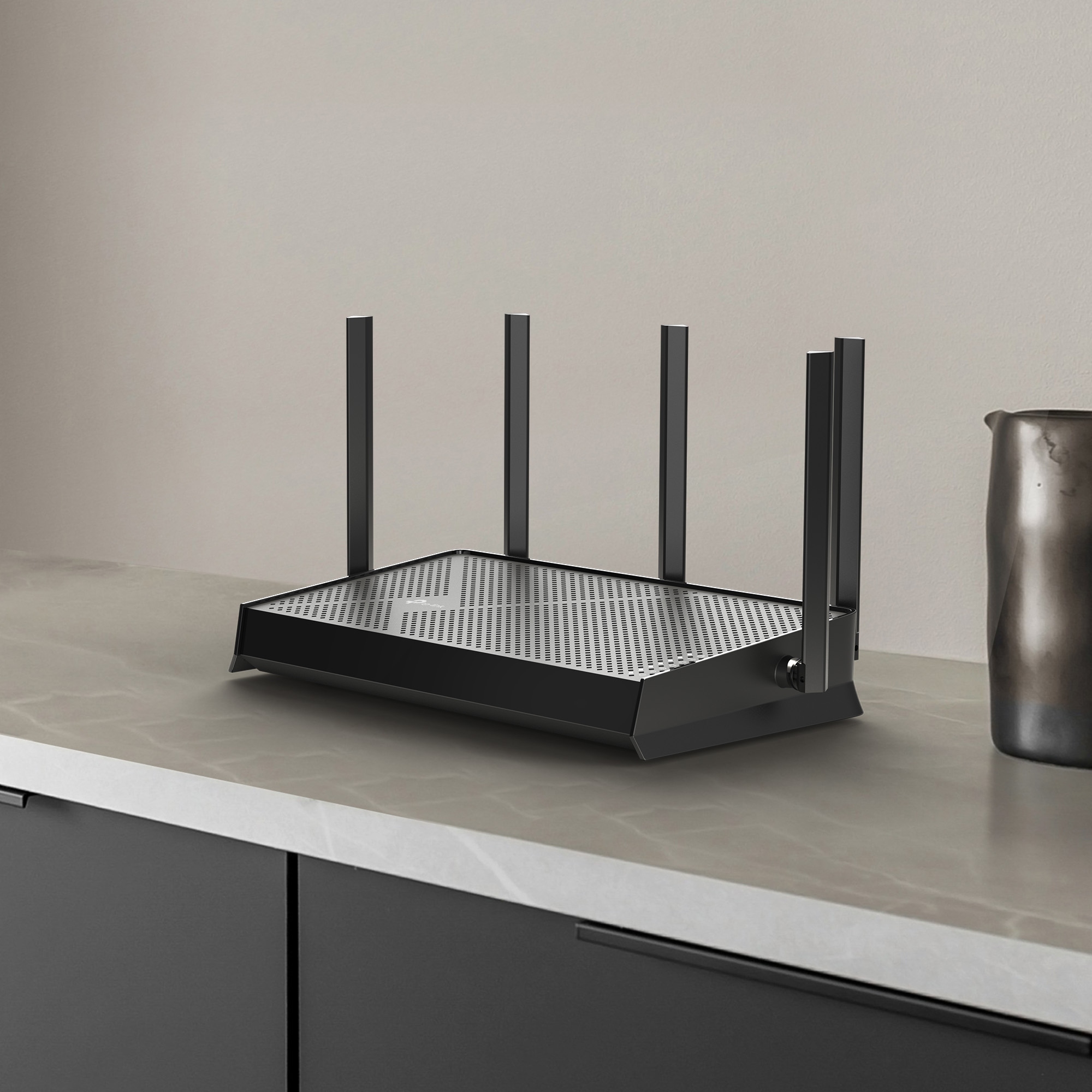
TP-Link offers Wi-Fi 7 standalone routers and whole-home Deco mesh Wi-Fi systems for setups ranging from small apartments to large multi-story homes, with options for different budgets. Wi-Fi 6 routers remain a solid, widely supported alternative if you are not ready for Wi-Fi 7.
For Wi-Fi 8, TP-Link has demonstrated early technology and continues to develop next-generation hardware. Its Wi-Fi 8 hub tracks progress toward the new standard.
Common Questions
Will existing devices connect to Wi-Fi 8?
Wi-Fi 8 is backward compatible, so existing devices will still connect to a Wi-Fi 8 router. They will not directly use every new feature, though they may benefit from overall network improvements.
Does Wi-Fi 8 increase peak speed?
No higher theoretical peak speed is the main promise: Wi-Fi 8 and Wi-Fi 7 share the same theoretical maximums. Wi-Fi 8 instead aims to sustain performance more reliably, reducing sudden drops and latency spikes.
Is Wi-Fi 7 still a worthwhile upgrade?
For most homes with current network problems, yes. Its available improvements in speed, latency, and device capacity make it a practical alternative to waiting for Wi-Fi 8.
Handpicked News
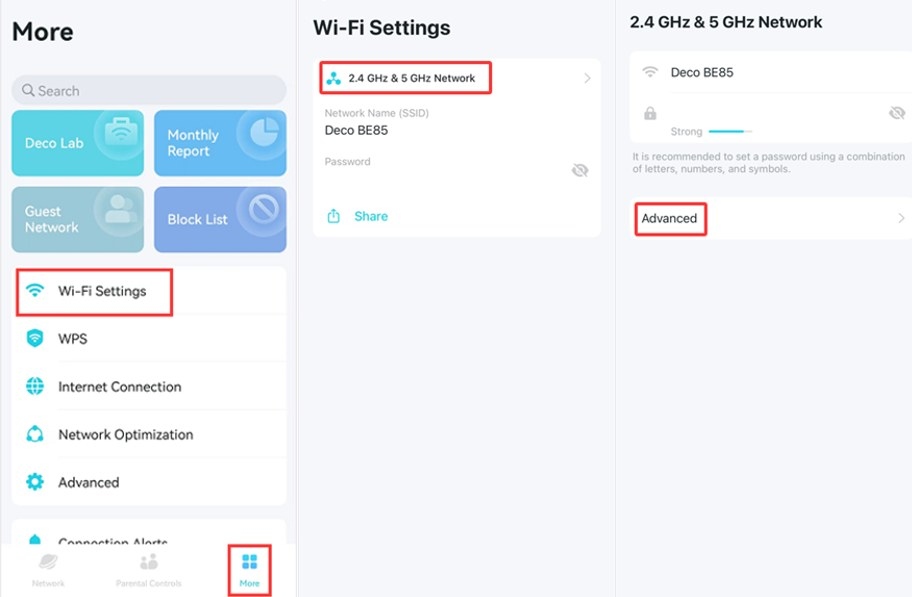
Adjust TP-Link Deco Wi-Fi Channels and Channel Width in the App

WiFi 6 and WiFi 6E: What the 6 GHz Extension Changes
Wi-Fi 5 or Wi-Fi 6: Understanding the Upgrade—and Where Wi-Fi 7 Fits
WiFi 7 Compared with WiFi 6: Bandwidth, Modulation, and Link Improvements
Choosing a Wi-Fi Band in Windows 11 and Windows 10
Stay ahead of the story
Get one weekly email with the best of RouterSetup Desk.

